알츠하이머병은 기억 손상이 나타나기 수십 년 전부터 뇌에서 조용히 시작된다는 것이 현재의 중론이다. 그 오랜 전임상 기간 동안 어떤 사건들이 발병을 앞당기거나 늦출까? 최신 리뷰는 '산소 부족'과 '뇌의 청소부 세포 미세아교세포'의 관계에 주목했다.
이탈리아 카타니아 대학 약학 및 생의학 연구팀이 *Phytotherapy Research*에 발표한 이 리뷰는 알츠하이머병의 전임상 단계에서 저산소 사건이 미세아교세포(microglia) 표현형에 미치는 영향과, SIRT1이라는 효소가 이를 방어하는 기전을 체계적으로 정리했다.
미세아교세포는 뇌의 면역 세포로, 알츠하이머 초기에는 아밀로이드 베타를 청소하며 신경 보호 역할을 한다. 그러나 이 세포들이 점차 염증 촉진(pro-inflammatory) 표현형으로 전환되면 오히려 신경 손상을 가속화한다. 리뷰는 수면 무호흡증, 만성 폐질환, 뇌졸중 등으로 인한 간헐적 저산소 노출이 미토콘드리아 기능 저하와 에너지 불균형을 일으켜 이 전환을 조기에 촉발할 수 있다고 주장한다.
여기서 핵심 분자로 등장하는 것이 SIRT1(sirtuin 1)이다. SIRT1은 NAD+를 조효소로 사용하는 탈아세틸화 효소로, 미토콘드리아 생합성을 촉진하고 NF-κB 등 염증 경로를 억제하며 자가포식을 조절한다. 뇌에서 SIRT1이 충분히 활성화되면 미세아교세포가 보호적 표현형을 유지하는 데 도움이 된다.
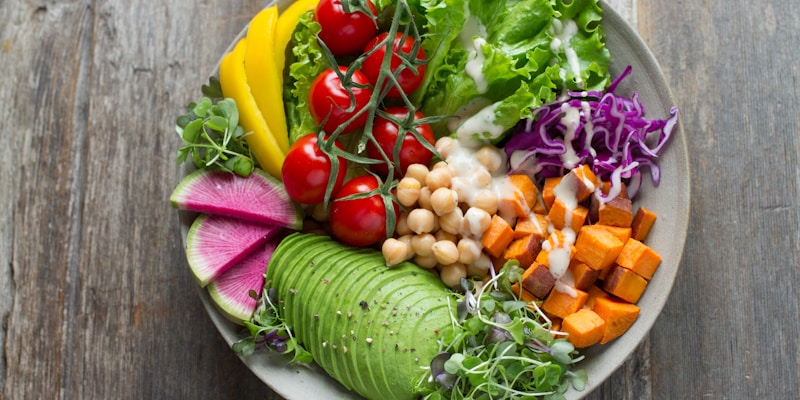
천연 SIRT1 활성화제에 대한 증거도 검토됐다. 감귤류의 플라보노이드(나링게닌, 헤스페리딘), 올리브의 올레우로페인 등 지중해 식단에 풍부한 성분들이 SIRT1을 유도하고 신경 염증 및 미토콘드리아 스트레스를 완화하는 것으로 여러 연구에서 보고됐다. 이는 지중해 식이 패턴이 알츠하이머 위험을 낮춘다는 역학 데이터와도 부합한다.
이 리뷰의 한계는 리뷰 논문 특성상 인과관계를 직접 증명하지 않으며, SIRT1 표적 치료의 임상 적용에는 아직 갈 길이 멀다는 점이다. 또한 저산소와 알츠하이머 사이의 인과 경로는 복잡하며 개인별 유전적·환경적 요인에 따라 다를 수 있다.
예방 측면에서는 수면 무호흡증의 조기 치료, 규칙적인 유산소 운동(미토콘드리아 기능 향상), 금연(혈관과 뇌 저산소 위험 감소), 그리고 올리브 오일·생선·견과류·채소 중심의 지중해식 식이가 알츠하이머 예방을 위해 권장되는 생활 습관이다.
📖 *Microglial Activation Under Hypoxic Conditions in Early Alzheimer's Disease: Can Natural SIRT1 Activators Be Therapeutic Allies in the Inflammation-Energy Axis? (종합 리뷰)* |
논문 원문
※ 이 기사는 의학 논문을 바탕으로 작성되었습니다. 개인 건강 상태에 따라 다를 수 있으니 전문의와 상담하세요.
Alzheimer's disease has a long shadow. Scientists now believe the biological changes that eventually produce memory loss and cognitive decline begin accumulating in the brain 15 to 20 years before the first symptom appears. During that long, silent window, the brain is not simply waiting to fail — it is navigating a complex balance between damage and defense. New research suggests that moments of oxygen deprivation, at any point during that preclinical period, may tip the balance decisively toward disease.
A comprehensive review published in *Phytotherapy Research* maps the molecular pathway from hypoxic events to neuroinflammation in early Alzheimer's disease, with particular focus on a protective enzyme called SIRT1 — and the natural compounds that could bolster its activity.
The Brain's First Responders
Microglia are the brain's resident immune cells, making up roughly 10–15% of all brain cells. In the early stages of Alzheimer's pathology, microglia are actively protective: they clear amyloid beta plaques, support neuronal health, and maintain the brain's local immune equilibrium.
But microglia exist on a spectrum of activation states. With sufficient stress — chronic inflammation, oxidative damage, metabolic disruption — they shift from their neuroprotective phenotype toward a pro-inflammatory state that actually accelerates neuronal injury. This phenotypic transition is increasingly recognized as a critical turning point in Alzheimer's disease progression.
Where Hypoxia Fits In
The review's central argument is that hypoxic events — episodes of insufficient oxygen reaching the brain — can trigger or accelerate this microglial transition, particularly during the preclinical decades before symptoms emerge.
Sources of hypoxia are common and often underappreciated: obstructive sleep apnea (which affects roughly 1 billion people worldwide), chronic obstructive pulmonary disease, cerebrovascular events, high-altitude exposure, and even anesthesia-related oxygen fluctuations. When the brain is repeatedly or chronically deprived of adequate oxygen, mitochondria — the energy-producing organelles in neurons and microglia — become dysfunctional. This mitochondrial stress disrupts the energy balance that keeps microglia in their protective state, pushing them toward inflammatory activation.
The review notes that early-life hypoxic exposures may be particularly consequential because they occur at a time when the brain's long-term inflammatory set point is being established. Data from epidemiological studies linking neonatal hypoxia, sleep disorders in midlife, and accelerated cognitive decline in later years are cited as supporting evidence.
SIRT1: The Molecular Hinge
The enzyme SIRT1 (Sirtuin 1) is positioned at the intersection of these pathways. SIRT1 is an NAD⁺-dependent deacetylase — an enzyme that removes acetyl groups from target proteins, changing their activity. Its functions are remarkably broad: it promotes mitochondrial biogenesis, suppresses pro-inflammatory transcription factors including NF-κB, regulates autophagy (the cell's garbage-disposal system), and protects against amyloid toxicity.
In microglia specifically, sufficient SIRT1 activity helps maintain the neuroprotective phenotype by keeping inflammatory pathways in check and ensuring mitochondria are producing energy efficiently. Conversely, when NAD⁺ levels decline with aging (reducing SIRT1 activity), or when hypoxia directly suppresses SIRT1 expression, microglia become more vulnerable to inflammatory transition.
Natural Compounds That Activate SIRT1
The review evaluates natural compounds — particularly those enriched in Mediterranean diet foods — that can induce SIRT1 activity. The candidates include:
- Naringenin and hesperidin (flavonoids from citrus fruits): shown to reduce neuroinflammation and support mitochondrial function in cellular and animal models.
- Oleuropein (from olive leaves and olive oil): demonstrated anti-inflammatory and neuroprotective properties partly via SIRT1 activation.
- Resveratrol (from red grapes and berries): one of the most studied natural SIRT1 activators, though clinical translation has been uneven.
These findings align with epidemiological data consistently showing that adherence to a Mediterranean dietary pattern is associated with slower cognitive decline and reduced Alzheimer's risk.
Limitations and What We Don't Know Yet
This is a review article — it synthesizes existing evidence rather than generating new experimental data. The causal chain from hypoxia to microglial activation to Alzheimer's disease, while biologically plausible and supported by multiple lines of evidence, has not been definitively established in humans. SIRT1-targeting therapies remain early-stage, and no clinical trials have yet confirmed that boosting SIRT1 in humans prevents or delays Alzheimer's.
Practical Takeaways
The review's preventive implications are nonetheless actionable. Diagnosing and treating obstructive sleep apnea before cognitive symptoms appear may be more neurologically important than currently appreciated. Regular aerobic exercise — which increases NAD⁺ availability and mitochondrial health — is one of the best-supported interventions for Alzheimer's prevention. A Mediterranean diet rich in olive oil, citrus, leafy vegetables, fish, and nuts supplies natural SIRT1 activators that may complement these lifestyle measures.
📖 *Microglial Activation Under Hypoxic Conditions in Early Alzheimer's Disease: Can Natural SIRT1 Activators Be Therapeutic Allies in the Inflammation-Energy Axis? (Review)* |
Source
※ This article is based on a published medical study. Individual health circumstances vary — consult your physician before making any changes to your care.